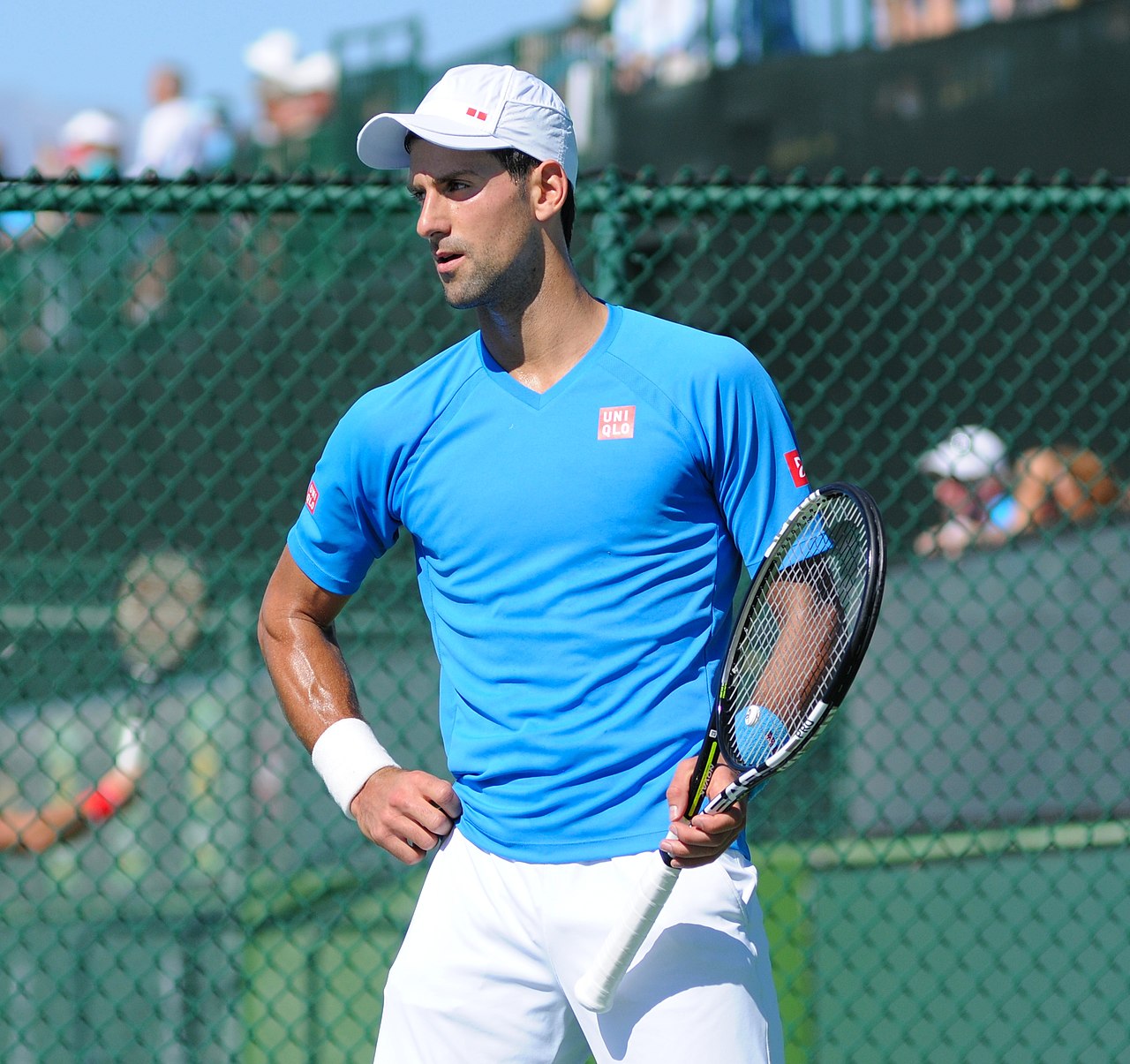
Djokovic Toughest, Federer's Impact: An Ex-Coach on The Big Three
The era of the "Big Three" –
Roger Federer, Rafael Nadal, and Novak Djokovic – stands as an unparalleled chapter in tennis history. Their collective dominance, marked by a staggering number of Grand Slam titles and an enduring rivalry, has captivated audiences worldwide for over two decades. But what was it like to face these titans on court, and how should their legacies truly be measured? Former top player and ex-coach, Ivan Ljubicic, offers a unique, insider perspective that sheds light on these very questions, delving into individual playing styles and the profound impact each legend had on the sport.
An Inside Look: Ivan Ljubicic's Encounters with the Titans
Ljubicic, who coached Federer for several years and faced all three during his own playing career, provides invaluable insights into the distinct challenges posed by each member of this formidable trio. His recollections highlight not just their technical prowess but also the psychological warfare inherent in competing at the highest level.
The Unyielding Wall: Facing Novak Djokovic
When asked about his toughest opponent among the Big Three, Ljubicic was unequivocal:
Novak Djokovic. For a player like Ljubicic, who relied heavily on a powerful serve and the pursuit of free points, Djokovic's return game was an insurmountable barrier. "When Novak was on, it was maybe the most difficult for me," Ljubicic recalled. "Because me having a big serve and relying a lot of free points with my serve... I mean with him, it was just not possible."
This speaks volumes about Djokovic's legendary consistency and incredible ability to neutralize opponents' strengths. His return of serve is arguably the greatest in tennis history, turning potential aces into rallies and forcing opponents to win points multiple times over. For Ljubicic, this meant a constant grind, stripping away his primary weapon and exposing him to Djokovic's relentless baseline game. It's a testament to Djokovic's mental fortitude and machine-like precision that he could consistently dismantle the strategic approaches of top-tier players.
The Maestro's Kaleidoscope: Decoding Roger Federer
Facing
Roger Federer presented an entirely different kind of challenge, characterized by the Swiss maestro's unpredictable brilliance. Ljubicic described playing against Federer as "complicated, because he would always do something different." He recounts playing Federer four times in three months in early 2005, with each match feeling distinct. "I thought after losing to him, 'Okay, now I know what I need to do,'" Ljubicic admitted, only to find Federer employing new tactics in their next encounter.
Federer's genius lay in his unparalleled versatility and court craft. He possessed an arsenal of shots – slices, topspins, drop shots, volleys – that he could deploy with surgical precision and surprising variation. This unpredictability forced opponents to constantly adjust, making it incredibly difficult to settle into a rhythm or formulate a consistent game plan. Unlike Djokovic's relentless pressure, Federer's challenge was often a puzzle, demanding adaptability and quick thinking from his adversaries. His ability to invent new ways to win, even within the same season, underscores why he was often deemed an artist on court.
The Grinding Bull: Navigating Rafael Nadal
When it came to
Rafael Nadal, Ljubicic felt a slightly different dynamic. "I felt against Rafa, you have time," he explained, noting Nadal's deep court positioning on return. "He stays far back on the return, so he kind of lets you do your thing, especially on my service games." While this might suggest an easier opponent, Ljubicic quickly clarified the underlying difficulty: "Obviously, I lost a lot more times than I won, but I did beat him twice."
Nadal's strategy, particularly on clay, is to absorb pace, retrieve seemingly impossible shots, and then unleash his heavy topspin forehand to wear down opponents. The "time" Ljubicic felt was often an illusion, a precursor to incredibly demanding, physical rallies. Nadal doesn't serve with the raw power of a Djokovic or a Federer, which means more balls are in play, leading to longer, more brutal exchanges. Ljubicic's ability to beat Nadal twice highlights his own aggressive style potentially disrupting Nadal's rhythm, but the sheer physical and mental toll of playing the "King of Clay" is undeniable. It's a war of attrition, where every point is earned through sheer grit and unwavering focus.
Beyond the Stats: The GOAT Debate and Lasting Impact
The discussion of who among the Big Three is the "Greatest of All Time" (GOAT) is a perennial debate, often boiling down to Grand Slam tallies. While acknowledging Djokovic's record-breaking 24 major titles, Ljubicic offers a more nuanced perspective, arguing that "impact" on the game might supersede sheer numbers. "They are different. It's really difficult to say who is better," he stated. "Obviously Novak won the most, it's clear. But for me, the impact that Roger had on the game, and Rafa, in different moments - it's huge. Maybe bigger than Novak."
This viewpoint resonates deeply with many fans and pundits. Federer, with his elegant, attacking style, revolutionized tennis's global appeal, attracting new audiences with his grace and sportsmanship. His image transcended the sport, making tennis mainstream. Nadal, with his unparalleled fighting spirit and dominance on clay, particularly at Roland Garros (14 titles!), inspired millions through his sheer tenacity and never-say-die attitude. His humble demeanor and intense focus have created a loyal legion of fans.
While Djokovic's consistent excellence and record-breaking achievements are undeniable testaments to his greatness, Ljubicic suggests that the initial, widespread growth and passion for tennis might have been more profoundly influenced by the aesthetic appeal and charismatic personalities of Federer and Nadal, especially in their early rivalry. This perspective invites a deeper consideration of legacy, moving beyond just silverware to encompass cultural influence, fan engagement, and inspiration for future generations. For a detailed look into this aspect, consider exploring the
Big Three's Legacy: 66 Slams, Impact vs. Titles in GOAT Debate.
A Shared Legacy: Mutual Respect and Unprecedented Dominance
Regardless of individual GOAT arguments, the collective achievements of
federer djokovic nadal are simply breathtaking. Together, they amassed an astounding 66 Grand Slam singles titles: 24 for Djokovic, 22 for Nadal, and 20 for Federer. This includes 18 Australian Opens, 18 French Opens, 17 Wimbledon crowns, and 13 US Open trophies. Their relentless pursuit of excellence left very little room for anyone else, with their closest challenger, Andy Murray, managing only three Grand Slams against this dominant trio.
What truly elevates their rivalry, however, is the profound mutual respect they share. This was poignantly evident recently when both Roger Federer and Novak Djokovic led heartfelt tributes to Rafael Nadal following his confirmation of retirement at the end of the current season. Djokovic hailed Nadal as a "legend" and "one of the greatest of all time," praising his "tenacity, dedication, [and] fighting spirit" that will inspire "for decades." Djokovic confirmed his intent to be present at the Davis Cup Finals in Malaga to "pay respect" to Nadal's illustrious career. Federer, who emotionally shared a moment with Nadal during his own farewell at the Laver Cup in 2022, also expressed profound admiration for his long-time rival. These moments underscore that while they battled fiercely on court, off it, they share an unbreakable bond forged through unprecedented shared success and challenging each other to new heights. To learn more about these tributes, read
Federer & Djokovic Lead Tributes as Nadal Confirms Retirement.
Conclusion
Ivan Ljubicic's insights offer a rare glimpse into the competitive intricacies and broader significance of the "Big Three" era. His perspective reminds us that while statistics tell one story, the experience of facing these legends, and their lasting impact on the sport's global appeal and inspirational power, tells another equally compelling one. The era of
federer djokovic nadal is not merely about records and titles; it's about a unique confluence of talent, personality, and competitive drive that transformed tennis, captivating millions and setting a benchmark for athletic achievement that may never be replicated. Their individual greatness is undeniable, but their collective legacy as the Big Three remains a defining chapter in sports history.